
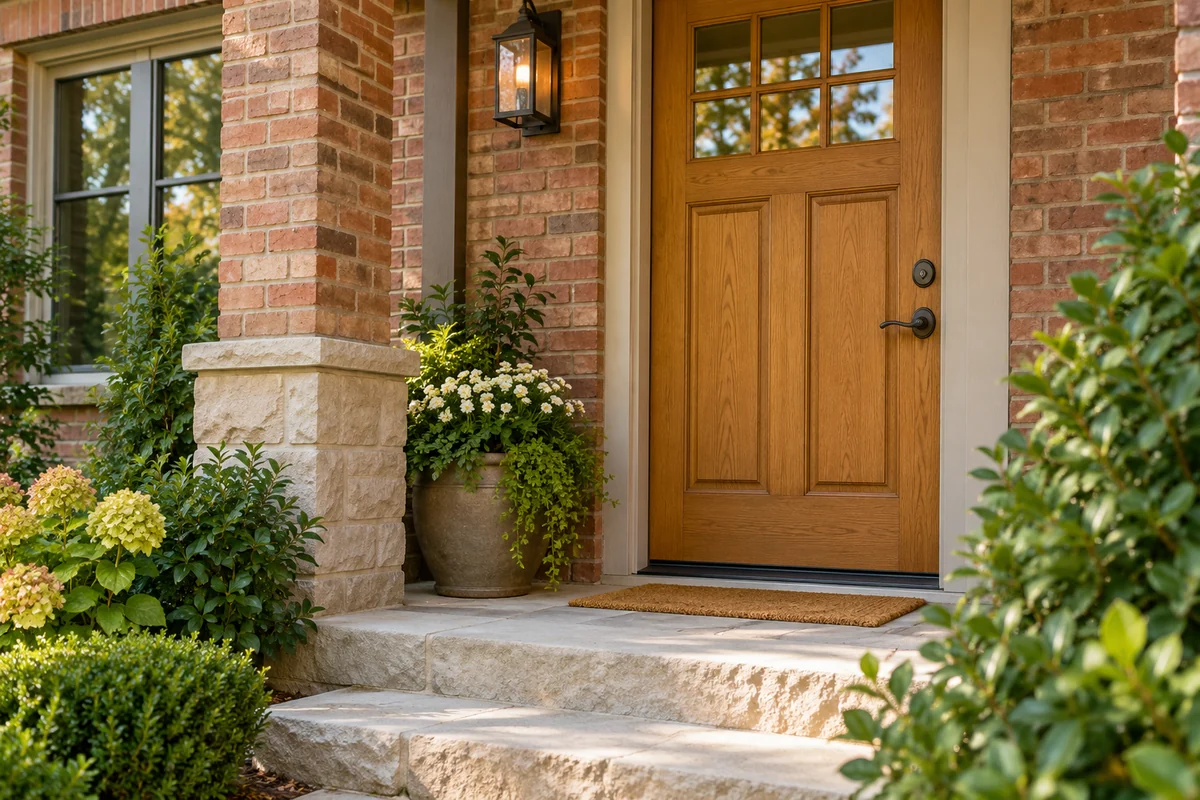
Make a door-and-key list
List the entrances you are responsible for: the front door, a side or rear entrance and any separate keyed door you use regularly. Match the keys supplied to those doors without forcing a stiff lock. Note missing keys, several different key types and any entrance you cannot account for. Keep the list private; it is a tool for your household and the person discussing the work, not something to leave at the door.
Ask who should have access now
Think about the household and anyone who legitimately helps at home. A key handed over at closing does not establish how many copies exist. If that uncertainty matters to you, ask about rekeying compatible locks. Decide who should receive the new keys and whether different doors need different access. A wish for one key across several doors should be checked against the hardware rather than assumed.
Write down faults separately
A lock that catches or a door that does not latch is a condition issue, even if your main concern is old keys. Rekeying alone does not correct door alignment or damaged parts. Note what already feels wrong and discuss repair alongside the key-control question. For a home in the historic district, mention any preference to retain existing visible hardware, while leaving suitability to an assessment.
Check the shared parts of the building
If you have moved into an apartment or mixed-use building near Lane Avenue, distinguish your private unit from a shared entrance. Ask the property manager who authorizes changes. Then call 614-350-7696 with your list, the full address and the number of locks to discuss. Confirm the proposed work and estimate before arranging it, and ask how each included door and key will be checked afterward.