
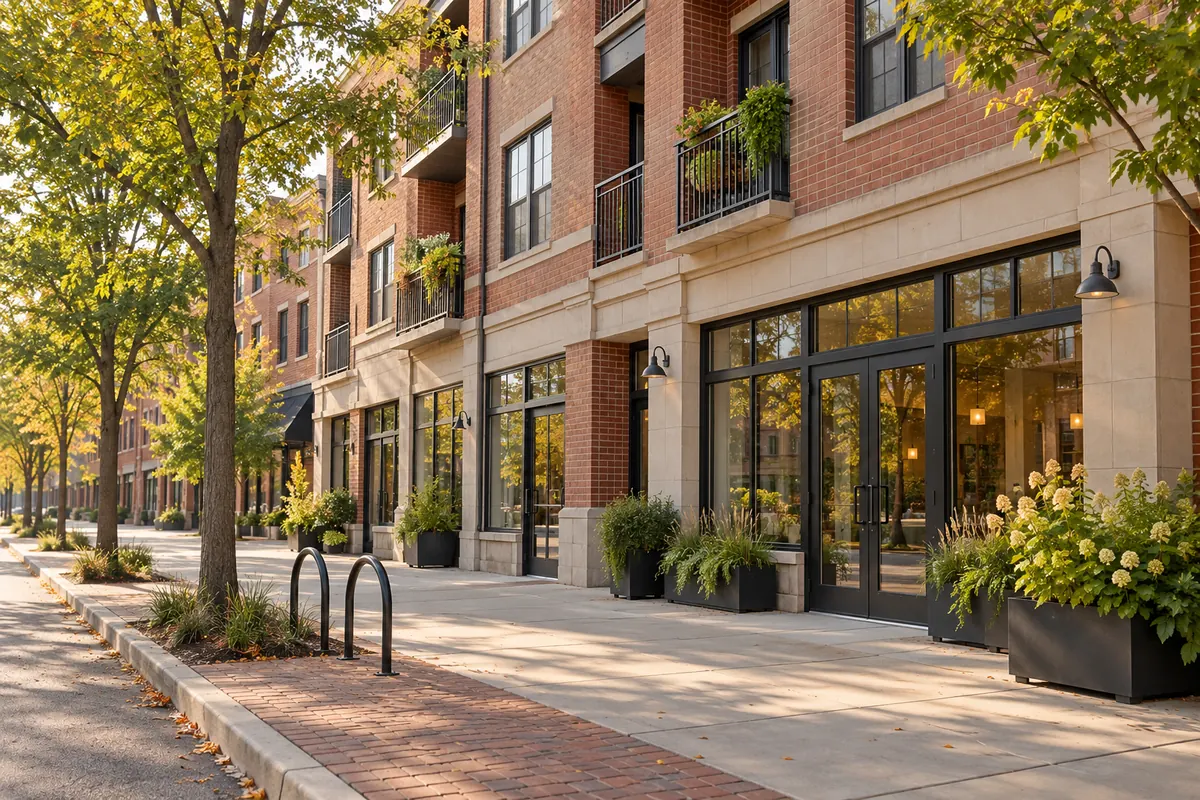
Separate common and private access
If you can enter the building but not your own unit, describe the private door. If the shared entrance is the obstacle, identify who manages that lock. Around Market Square or elsewhere in the Village Center, the district name is useful orientation but the unit and entrance matter more. Our home lock information helps frame a dwelling request without treating every door as one system.
A household key plan in order
After keys change hands, begin by counting the exterior locks you are authorized to change. Next, note which existing keys operate them and who should keep access. Finally, explain whether you want old copies to stop working or fewer keys for everyday use. Rekeying can be discussed for compatible hardware in good condition; damaged or awkward locks need a condition review as well.
Observe the garage separately
A garage that stops, reverses or sits unevenly needs a garage repair description rather than a key-change request. State the stopped position and whether the opener makes a sound. Include any difference between the remote and wall control that you already observed. Keep clear of unstable movement and leave springs, cables and bottom brackets to trained service instead of trying to free the door.
At a shop, define the job
For a business unit, list the entrances and locks included in the request and identify the person who can approve changes. A shared building door may have a separate manager. Commercial lock support should be discussed around that specific scope. Mention any additional home or garage task at the start of the call so its address, compatibility and availability can be reviewed too.